
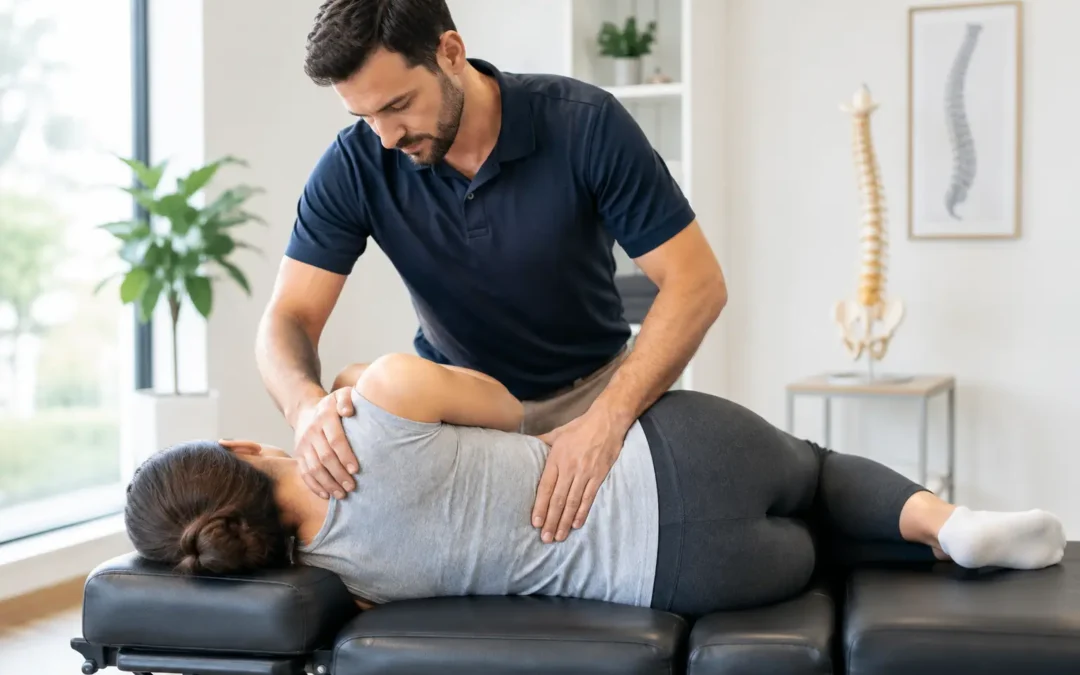
A neck that still feels stiff months after a crash, low back pain that returns every time you sit at work, or headaches that began after your posture changed can make daily life feel smaller. Corrective chiropractic is designed for more than a brief reduction in discomfort. It focuses on how the spine moves, carries load, and works with the muscles and nervous system around it.
For many patients, especially those recovering from whiplash, repetitive strain, disc-related pain, or years of poor posture, an adjustment alone may not be enough to create lasting change. The goal of a corrective approach is to identify the patterns contributing to the problem and pair hands-on care with active rehabilitation that supports better function over time.
What Corrective Chiropractic Means
Corrective chiropractic is a structured form of spinal rehabilitation. It may include chiropractic adjustments, but those adjustments are part of a larger plan. The plan can address restricted joints, altered spinal curves, weak or overworked muscles, limited mobility, poor movement habits, and the effects of injury.
A person who has been in a car crash, for example, may have pain that started in the neck but now affects sleep, concentration, shoulder movement, or the low back. Whiplash can involve more than sore muscles. It may change how the head is carried, how the neck moves, and how the body stabilizes itself during ordinary activities. Restoring function requires attention to those connected issues.
The same principle applies to chronic postural strain. Hours spent bent over a laptop, looking down at a phone, driving, lifting, or working in one position can gradually train the body to compensate. A compensating body can keep moving, but often at a cost: recurring tightness, fatigue, headaches, numbness, or pain with simple tasks.
Corrective care seeks to reduce those compensations rather than simply chasing the day’s most painful spot.
Why Adjustments Alone May Not Be the Whole Answer
Chiropractic adjustments can help improve joint motion and reduce restrictions that contribute to discomfort. For some patients, that relief is meaningful and immediate. Yet mobility gained during an adjustment needs support from the muscles and movement patterns that hold the spine in place between visits.
If the same postural stress, poor endurance, or injury-related guarding remains, the body may return to its old pattern. That does not mean adjustments have failed. It means the next stage of care matters.
A corrective plan often combines adjustments with traction, stretching, strengthening, and neuromuscular reeducation. Each component has a different job. Adjustments address joint function. Traction may be used to gently support specific spinal positions and mobility goals. Stretching can improve flexibility where tissues have become shortened or guarded. Core and postural exercises help the body actively maintain better alignment and movement.
This approach requires participation. Patients are not expected to fix themselves, but their involvement is part of the treatment. Consistent home exercises, awareness of ergonomics, and follow-through with the prescribed plan can influence how well improvements carry into work, driving, sleep, and recreation.
What a Corrective Chiropractic Visit Can Include
Care should begin with a careful evaluation, not a one-size-fits-all treatment routine. A doctor may review the history of an accident or injury, current symptoms, work demands, prior imaging when available, posture, range of motion, neurological findings, and functional limitations. The purpose is to understand the patient’s starting point and determine whether chiropractic rehabilitation is appropriate.
At NW Spinal Rehabilitation Clinic, the Pettibon System helps guide an active rehabilitation model. Depending on the patient’s condition, a visit may include spinal adjustments followed by exercises intended to reinforce the changes made during treatment. Patients may use a Wobble Chair to promote controlled spinal movement, perform stretching or core work, or complete repetitive cervical traction as directed for specific neck-related goals.
Post-adjustment neuromuscular work is especially valuable because the nervous system and muscles need practice using a healthier movement pattern. Think of it as retraining after the joints have been mobilized. The exact exercises should be based on the person’s exam findings, tolerance, diagnosis, and progress – not copied from another patient’s plan.
Not every patient needs every tool. Someone with acute pain after a collision may first need gentle care, symptom control, and gradual movement. A worker with longstanding rounded-shoulder posture may tolerate more active strengthening earlier. Someone with a disc bulge or herniation may require a more cautious progression based on symptoms and neurological findings.
Conditions That May Benefit From an Active Rehabilitation Plan
Corrective care is often considered by people whose symptoms have a mechanical or injury-related component. These may include neck pain, back pain, recurring headaches, sciatica-like symptoms, reduced mobility, posture-related fatigue, and pain after sports or work injuries.
Whiplash injuries are a common reason to seek this type of care. Symptoms do not always appear immediately after a crash. A person may initially feel shaken but functional, then develop neck stiffness, headaches, shoulder pain, dizziness, or low back discomfort in the days that follow. Early evaluation can help document injuries, identify functional changes, and create a treatment plan before protective movement patterns become more ingrained.
Disc injuries also require individualized attention. A disc bulge or herniation can be associated with radiating pain, numbness, tingling, weakness, or pain that changes with sitting, bending, coughing, or lifting. Conservative care may be appropriate for many people, but it depends on the examination and severity of symptoms. Progressive weakness, loss of bowel or bladder control, numbness in the groin area, severe unrelenting pain, or other urgent symptoms require prompt medical evaluation.
Progress Should Be Measured by Function, Not Just Pain
Pain matters. It affects sleep, work, family life, and confidence in movement. But pain scores alone do not tell the whole story of recovery. A useful corrective plan also looks at what the patient can do.
Can you turn your head comfortably while checking traffic? Sit through a meeting without having to constantly shift? Lift a child, return to the gym, sleep through the night, or complete a workday with less fatigue? Has your range of motion improved? Are headaches less frequent? Is numbness decreasing? Can you maintain better posture without forcing it?
These functional measures help determine whether the plan is working and when it needs to be adjusted. Recovery is rarely perfectly linear. A demanding workweek, a long drive, poor sleep, or an increase in activity can cause temporary flare-ups. What matters is the overall direction: better tolerance, more control, and greater confidence in normal movement.
What Patients Can Do Between Visits
The work done outside the clinic helps protect the work done inside it. A home program does not need to consume an hour every day to be meaningful, but it does need consistency. Performing prescribed traction, stretches, or stabilization exercises with correct form can help reinforce the goals of care.
It also helps to make small environmental changes. Position computer screens closer to eye level, take movement breaks during long periods of sitting, avoid cradling a phone between the ear and shoulder, and use sound lifting mechanics. These changes will not replace rehabilitation, but they can reduce the daily stress that keeps a problem active.
Patients should also communicate honestly about symptoms. Exercises should challenge the body appropriately, not produce alarming or steadily worsening symptoms. Let the doctor know about new numbness, weakness, dizziness, increased radiating pain, or a change in how symptoms behave. A responsive plan is safer and more effective than pushing through every warning sign.
Choosing Care That Matches Your Goal
The right chiropractic approach depends on what you need. If you want occasional relief from muscle tension, an adjustment-focused visit may be enough. If you are trying to recover from a collision, restore movement after a disc-related episode, or address posture and strength patterns that have developed over years, a rehabilitation-centered plan may be a better fit.
Corrective chiropractic is not a promise of a perfect spine or an instant cure. It is a practical commitment to improving the factors that can be changed: joint motion, muscle support, movement habits, tolerance for activity, and spinal function. The process takes professional guidance and patient participation, but that partnership can create progress that lasts beyond the treatment table.
If pain or restricted movement has begun to shape how you work, drive, exercise, or sleep, do not wait for it to become your normal. A thorough evaluation can give you a clearer path forward – and a plan built around returning to the life your body has been asking for.